How to Prepare Your HVAC System for Winter Emergencies
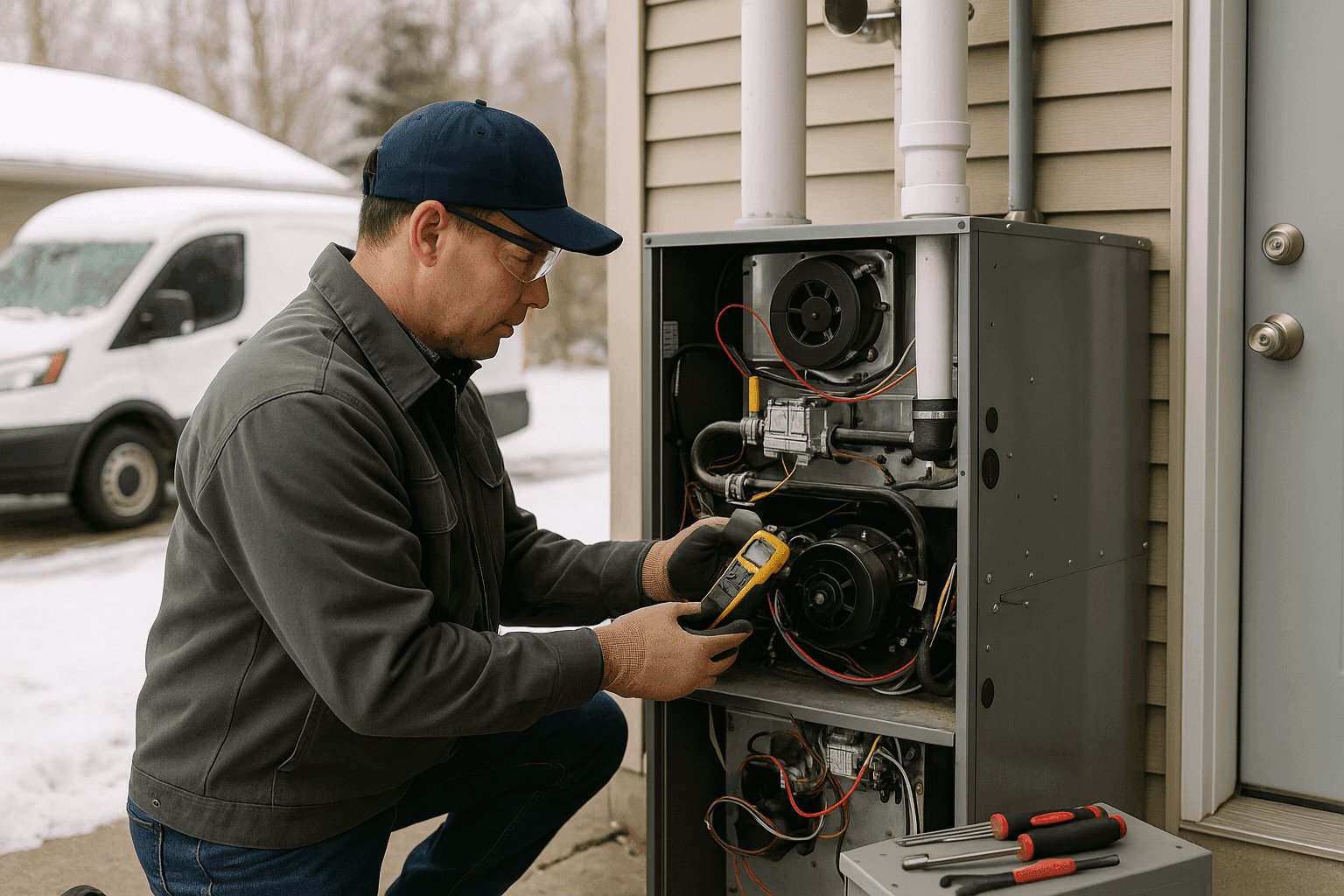
When winter winds howl and temperatures drop, your HVAC system becomes the unsung hero of your home or business. But when that hero falters, it’s more than just an inconvenience—it can mean frozen pipes, lost productivity, and costly repairs that hit when you least expect them.
At HVAC Outlaw, we’ve seen firsthand how winter HVAC failures sneak up on even the most prepared folks. The good news? A little foresight now can save you from big trouble later. Here’s your guide to keeping the cold at bay and your heating system humming, no matter what winter throws your way.
Why Winter HVAC Failures Are So Common (and Costly)
Imagine your furnace as the heart of your home’s winter defense. When it skips a beat, everything else feels the chill. Cold snaps put stress on heating systems—especially older ones or those that haven’t had much TLC. Dirty filters, worn-out parts, and neglected maintenance are like potholes on the road to a warm, safe winter.
When breakdowns strike, they rarely do so at a “good” time. Emergency HVAC repairs can cost more, and you’re often left scrambling with space heaters or extra blankets. Worse yet, a failed system during a deep freeze isn’t just uncomfortable—it can be dangerous, especially for kids, seniors, and pets.
Essential Winter HVAC Maintenance Tasks 🛠️
Staying ahead of winter woes starts with a few smart steps. Think of this as your pre-winter checklist:
- Furnace Inspection: Schedule a professional check-up before cold weather hits. A trained technician will look for cracks, leaks, and worn components—issues that can lead to breakdowns or even carbon monoxide leaks.
- Filter Replacement: Dirty filters force your system to work overtime. Swap them out every 1–3 months during heavy use, or more often if you have pets or allergies.
- Thermostat Calibration: An inaccurate thermostat can make your system run too long or not long enough. Test it against a reliable thermometer and recalibrate if needed.
- Duct Cleaning: Dust, debris, and even critters can clog up your ducts, blocking airflow and making your system less efficient.
- Check Carbon Monoxide Detectors: If you have gas heat, make sure detectors are working and batteries are fresh.
According to the U.S. Department of Energy, regular HVAC maintenance can improve efficiency by up to 15% and help prevent unexpected breakdowns.
Signs Your Heating System Needs Emergency Attention
Some warning signs are like a flashing neon “Help!” for your HVAC system. Don’t ignore these red flags:
- Unusual Noises: Banging, grinding, or screeching sounds can mean loose parts or motor trouble.
- Uneven Heating: Cold spots or rooms that never seem to warm up signal airflow or duct problems.
- Frequent Cycling: If your system turns on and off rapidly, it may be struggling with a faulty thermostat or restricted airflow.
- Strange Smells: A burning odor could indicate dust buildup or electrical issues. Rotten egg smells (sulfur) point to a natural gas leak—leave immediately and call emergency services.
- No Heat: If your system runs but blows cold air, or doesn’t run at all, it’s time to act fast.
If you spot these symptoms, don’t wait. Small problems can spiral into major emergencies, especially when the mercury drops.
How to Winterize Your HVAC Components
Think of winterizing your HVAC as wrapping your home in a cozy blanket. Here’s how:
Seal Up Ductwork
Leaky ducts are like holes in your winter coat. Use mastic sealant or metal tape (not duct tape) to seal visible gaps. Professional duct sealing can improve comfort and efficiency, especially in older buildings.
Check and Clear Vents
Blocked or closed vents force your system to work harder. Make sure furniture, rugs, or boxes aren’t blocking airflow. Clean supply and return grilles with a vacuum brush.
Insulate Exposed Pipes
Pipes near exterior walls or in unheated spaces can freeze and burst. Wrap them with foam pipe insulation, especially if your HVAC system uses hydronic (water-based) heating.
Test Safety Switches and Controls
Many systems have built-in safety features, like limit switches and pressure sensors. Test these before winter hits, or have a pro do it during a tune-up.
Clean Around Outdoor Units
If you have a heat pump or mini-split, clear away leaves, snow, and debris from outdoor units. This keeps airflow steady and prevents ice buildup.
Emergency Steps to Take if Your Heating Fails
If your heating system stops working during a cold snap, don’t panic. Here’s a calm, step-by-step plan:
- Check the Thermostat: Make sure it’s set to “heat” and the temperature is above room temp. Replace batteries if needed.
- Inspect the Power: Look for tripped breakers or blown fuses. Reset if safe to do so.
- Look at the Furnace Switch: Many furnaces have a simple on/off switch nearby (it can look like a light switch). Make sure it’s “on.”
- Change the Filter: A clogged filter can trigger safety shut-offs.
- Listen and Smell: If you hear loud bangs or smell gas, leave the area and call emergency services immediately.
- Call an Emergency HVAC Technician: If basic checks don’t work, it’s time for professional help. Don’t try to fix electrical or gas issues on your own.
While waiting for help, dress warmly, close off unused rooms, and use safe alternative heat sources (never use ovens or grills indoors).
Quick Safety Checklist for Winter HVAC Emergencies
- Test smoke and carbon monoxide detectors monthly.
- Keep space heaters at least three feet from anything flammable.
- Never block air intakes or exhaust vents.
- Know where your gas and electrical shutoffs are.
- Store emergency contacts (including HVAC Outlaw) in your phone.
DIY vs. Call a Pro: Know Your Limits
Some HVAC tasks are safe for handy homeowners—like changing filters or vacuuming vents. But when it comes to electrical, gas, or major mechanical work, it’s time to call in the cavalry.
Attempting complex repairs without the right tools or training can make problems worse—or put your safety at risk. According to the National Fire Protection Association, heating equipment is a leading cause of home fires in winter. Don’t let a DIY fix turn into a disaster.
What Pros Do On Arrival
When an emergency HVAC technician arrives, here’s what you can expect:
- Thorough Inspection: They’ll check your system from top to bottom—looking at electrical connections, gas lines, heat exchangers, and control boards.
- Diagnostic Testing: Using specialized tools, they’ll pinpoint the cause of the failure.
- Safety Checks: Pros test for carbon monoxide leaks, gas leaks, and electrical hazards.
- Clear Communication: You’ll get a straightforward explanation of the problem and your options for repair.
HVAC Outlaw technicians follow industry best practices and safety guidelines from organizations like ASHRAE (American Society of Heating, Refrigerating and Air-Conditioning Engineers) and the International Mechanical Code.
Prevention & Maintenance: Your Best Defense
Staying warm all winter starts long before the first snowflake falls. Here’s how to keep your system in top shape:
- Schedule Annual Maintenance: A professional tune-up before winter can catch small issues early.
- Replace Filters Regularly: Mark your calendar or set reminders to keep airflow strong.
- Upgrade Old Thermostats: Programmable or smart thermostats help maintain steady temps and save energy.
- Keep Vents and Ducts Clean: Dust and debris slow down your system and can worsen allergies.
- Consider Indoor Air Quality Upgrades: Air scrubbers, humidifiers, and dehumidifiers can make your space more comfortable and healthier.
Costs & Time Factors: What to Expect
Emergency HVAC repairs can cost more than routine maintenance—especially after hours or on holidays. The price depends on the problem, parts needed, and the age of your system.
- Simple fixes (like replacing a thermostat or igniter) may take less than an hour.
- Major repairs (like blower motor or heat exchanger replacement) can take several hours or more.
- Full system replacements are a bigger investment and may require a day or longer.
Regular maintenance is almost always less expensive (and less stressful) than emergency repairs.
When It’s an Emergency
Not every heating hiccup is a true emergency, but some situations demand immediate attention:
- No heat during freezing weather
- Gas smells or suspected carbon monoxide leaks
- Electrical burning odors
- Repeated system shut-offs or breaker trips
- Water leaks from your furnace or boiler
If you’re unsure, it’s always safer to call for help. Emergency HVAC services like those from HVAC Outlaw are available 24/7 because winter doesn’t keep business hours.
FAQ: Winter HVAC Emergencies
How often should I have my heating system checked?
At least once a year—ideally before the heating season begins. More frequent checks may be needed for older systems or heavy use.
Is it safe to use space heaters if my furnace goes out?
Yes, but only if you follow safety guidelines: keep them away from flammable items, never leave them unattended, and use only certified devices.
What’s the most common cause of winter HVAC breakdowns?
Dirty filters and lack of maintenance top the list. Overworked systems with old parts are also prone to failure when temperatures drop.
Can I prevent frozen pipes if my heat goes out?
Close off unused rooms, open cabinet doors under sinks, and let faucets drip to keep water moving. If in doubt, call a pro for advice.
Special Considerations for Winter HVAC Care
- Backup Power: Consider a generator to keep essentials running during outages.
- Air Quality: Winter means closed windows—so air scrubbers, humidifiers, and regular filter changes matter more than ever.
- Geothermal & Radiant Systems: These need unique maintenance. Always use a technician familiar with your setup.
- Sheet Metal & Ductwork: Leaks or damage can waste heat and money. Have ductwork inspected if you notice drafts or uneven heating.
Stay warm, safe, and stress-free this winter by preparing your HVAC system now. If the unexpected happens, don’t wait in the cold.
Call HVAC Outlaw now — or reach us anytime at 888-897-8825 .