Preventative HVAC Maintenance Checklist for Year-Round Comfort
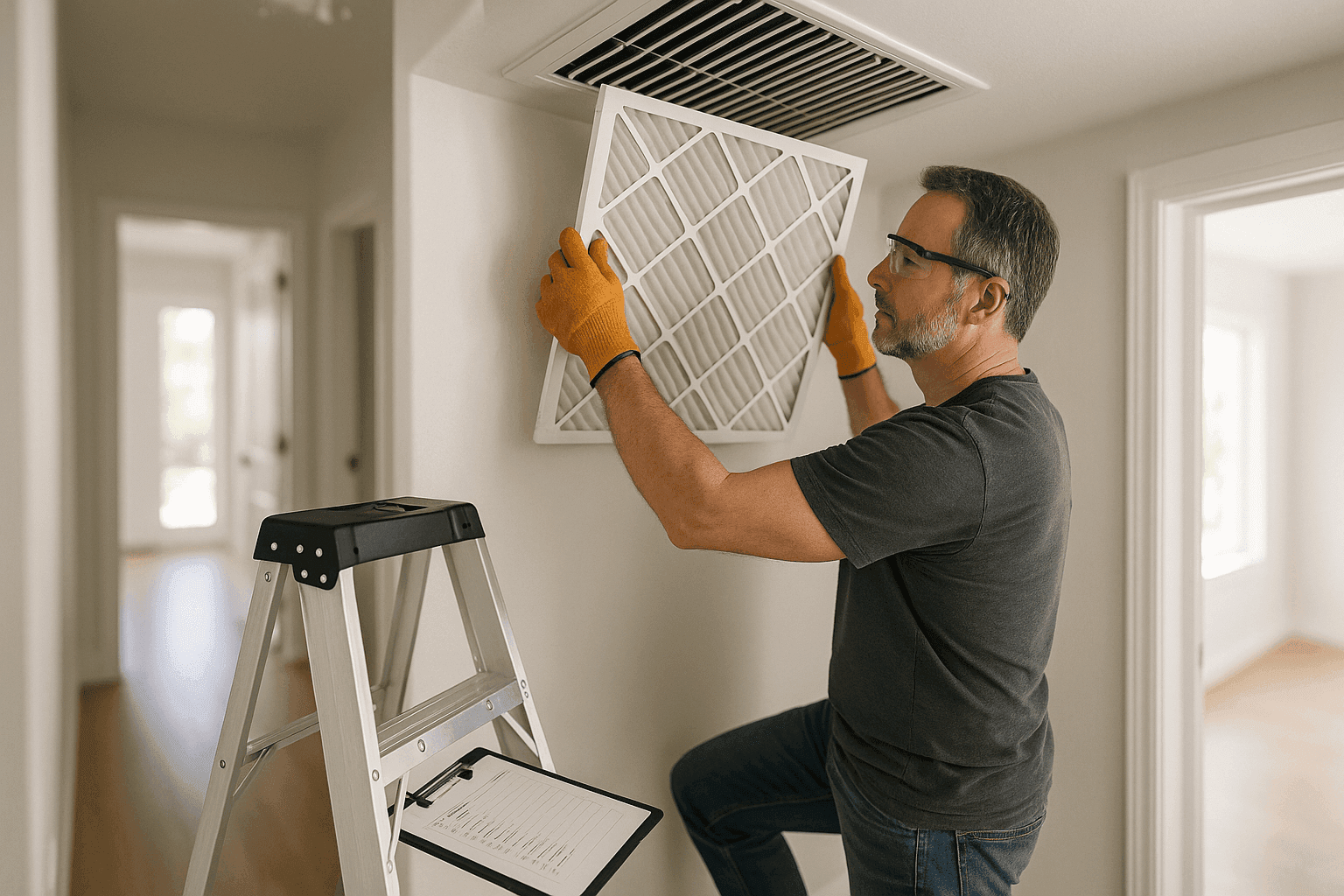
Ever turned on your heat during the first cold snap, only to be met with silence—or worse, a blast of cold air? Or maybe your AC gave up on the hottest night of the year. If you’re nodding along, you’re not alone. At HVAC Outlaw, we know the sting of a sudden breakdown. That’s why we believe in playing offense, not defense, when it comes to your home’s comfort.
Preventative HVAC maintenance is the secret ingredient to year-round peace of mind. It keeps your system humming, your air clean, and emergencies at bay. Let’s dig in.
Why Preventative Maintenance Matters 🛠️
Think of your HVAC system as the heart and lungs of your home. If neglected, dust, debris, and wear can sneak in—choking airflow, hiking up bills, and sometimes leading to expensive “emergency hvac” calls at all hours. Regular attention is your best insurance.
The U.S. Department of Energy recommends regular tune-ups and filter changes to maximize efficiency and safety. Ignoring these basics is like skipping oil changes in your car—eventually, something’s going to give. Even simple tasks like checking your thermostat or swapping a filter can prevent a minor hiccup from snowballing into a crisis.
Spring/Summer HVAC Maintenance Checklist ☀️
When the sun starts blazing, your cooling system becomes your best friend. Here’s how to keep it loyal:
- Replace or Clean Air Filters: Clogged filters choke airflow, strain your AC, and worsen indoor air quality. Aim to replace every 1–3 months.
- Clean Evaporator and Condenser Coils: Dirty coils force your system to work overtime. Gently vacuum or brush away debris on outdoor units.
- Check Refrigerant Lines: Look for cracks or frost. Low refrigerant can spell disaster—call a pro if you notice issues.
- Test Thermostat Operation: Is your thermostat reading accurately? Batteries fresh? Small fixes now mean no surprises later.
- Clear Outdoor Units: Keep leaves, grass, and clutter at least 2 feet away from your AC.
- Inspect Ductwork: Look for visible gaps, dust, or mold. “Duct cleaning near you” can help if you spot buildup or smell mustiness.
- Schedule AC Tune-Up: An annual tune-up by a certified technician checks pressures, lubricates moving parts, and tests safety switches.
Bonus Tip for Hot Climates: Consider installing a programmable thermostat or whole-house fan to help your system keep up in extreme heat.
Fall/Winter HVAC Maintenance Checklist ❄️
When the cold front moves in, your furnace and heating system need some TLC:
- Replace Air Filters: Yes, again. A clean filter is your first line of defense.
- Clean and Inspect Burner Assembly: Dust and grime can cause uneven heating or pilot light issues.
- Test Carbon Monoxide Detectors: Safety first. Replace batteries and test alarms in heating season.
- Check Thermostat Settings: Switch to heating mode and make sure it’s responding.
- Lubricate Moving Parts: Motors and bearings need oiling to prevent winter breakdowns.
- Inspect Vents and Flues: Blocked vents can lead to dangerous backdrafts—clear out nests, leaves, or ice.
- Schedule Furnace Inspection: A professional can catch cracked heat exchangers or worn belts before they fail.
Bonus Tip for Cold Climates: If you use a humidifier, clean it regularly to prevent mold. Portable space heaters? Keep them away from curtains and never leave them unattended.
DIY vs. Professional Tasks
Some maintenance is simple—think of it as brushing your teeth. But others are more like a dental cleaning: best left to the experts.
What Homeowners Can Do
- Swap out filters every few months.
- Keep outdoor units clear of debris.
- Gently vacuum accessible vents and registers.
- Test thermostats and carbon monoxide detectors.
- Watch and listen for unusual noises, leaks, or odors.
What Professionals Should Handle
- Deep coil cleaning.
- Checking refrigerant pressures and topping off if needed.
- Comprehensive duct cleaning.
- Inspecting electrical connections and tightening as needed.
- Air balancing and home energy audits.
- Emergency hvac diagnostics, especially if you smell gas or see sparks.
Routine pro visits keep your equipment safe—and your warranty valid. The Air Conditioning Contractors of America (ACCA) and OSHA stress the importance of qualified technicians for tasks involving electricity, gas, or refrigerant.
How to Spot Early Issues 👀
Catching a problem early is like noticing a squeaky door—it’s easier (and cheaper) to fix before it falls off the hinges. Here’s what to watch for:
- Strange Noises: Grinding, banging, or rattling mean something’s loose or worn.
- Odd Smells: Musty odors can signal mold. Burning smells? Turn off your system and call for emergency hvac help.
- Weak Airflow: Could be a clogged filter, blocked duct, or failing blower.
- Spike in Bills: Sudden increases often point to leaks, low refrigerant, or dirty coils.
- Frequent Cycling: If your system turns on and off often, it may be overheating—or your thermostat needs recalibrating.
If you notice these warning signs, don’t wait. Many small issues can be handled quickly with a call to a professional.
DIY vs. Professional Tasks
Not every job is a “do it yourself” moment. Sometimes, it pays to call in the cavalry.
- DIY: Filter changes, thermostat checks, cleaning around outdoor units.
- Call a Pro: Electrical issues, refrigerant leaks, anything involving gas lines, deep duct cleaning, or persistent comfort problems.
Remember, safety comes first. If you’re ever unsure, reach out to a certified technician. The National Fire Protection Association (NFPA) recommends leaving electrical and gas-related repairs to trained professionals.
Local and Seasonal Considerations 🌦️
Your maintenance routine should flex with the seasons—and your local climate.
- Hot, Humid Regions: AC works overtime. Check filters and coils more often. Consider a dehumidifier for comfort and mold control.
- Cold, Snowy Regions: Ice and snow can block vents. Keep outdoor units clear. Schedule heating tune-ups before the first frost.
- Dusty or Allergy-Prone Areas: More frequent duct cleaning and IAQ (indoor air quality) testing can help.
- Storm-Prone Locations: Invest in generator installation and maintenance to keep your HVAC running during power outages.
Adjust your checklist as the weather shifts, and always prepare a little early to catch seasonal surprises.
Frequently Asked Questions
How often should I really replace my HVAC filter?
Most homes do fine with every 1–3 months, but if you have pets, allergies, or a dusty environment, check monthly.
Is duct cleaning necessary every year?
Not always. The EPA suggests cleaning ducts if you see visible mold, a vermin infestation, or excessive dust.
Can I skip professional tune-ups if my system seems fine?
It’s tempting, but hidden issues can lurk. Tune-ups catch what you can’t see and keep your warranty intact.
What should I do if my system stops working suddenly?
Check your breaker, thermostat, and filter. If nothing obvious, call for emergency hvac service right away.
Ready for Comfort All Year?
A little prevention goes a long way. Whether it’s changing a filter, scheduling a tune-up, or responding fast in an emergency, you don’t have to go it alone. At HVAC Outlaw, we’re here 24/7 to help keep your home comfortable—no matter what the forecast says.
Call HVAC Outlaw now — or reach us anytime at 888-897-8825 .